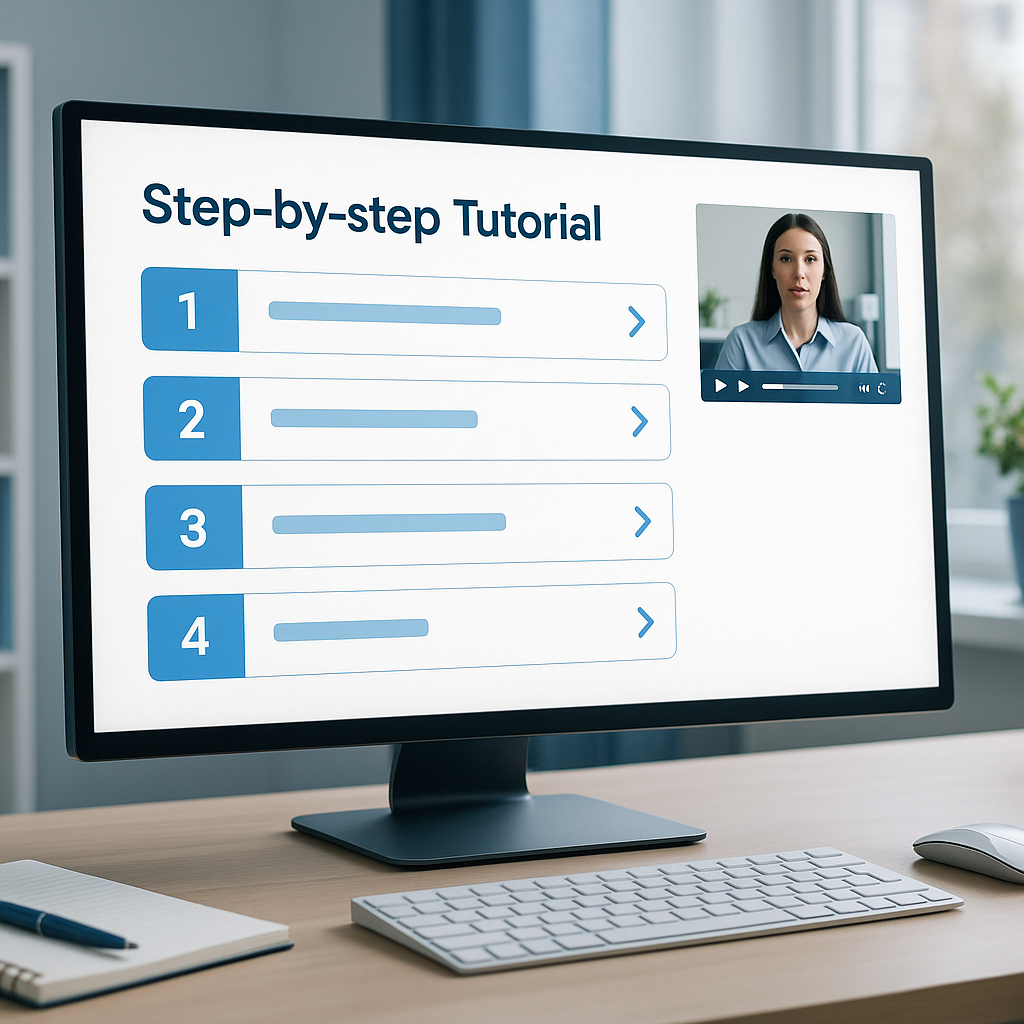
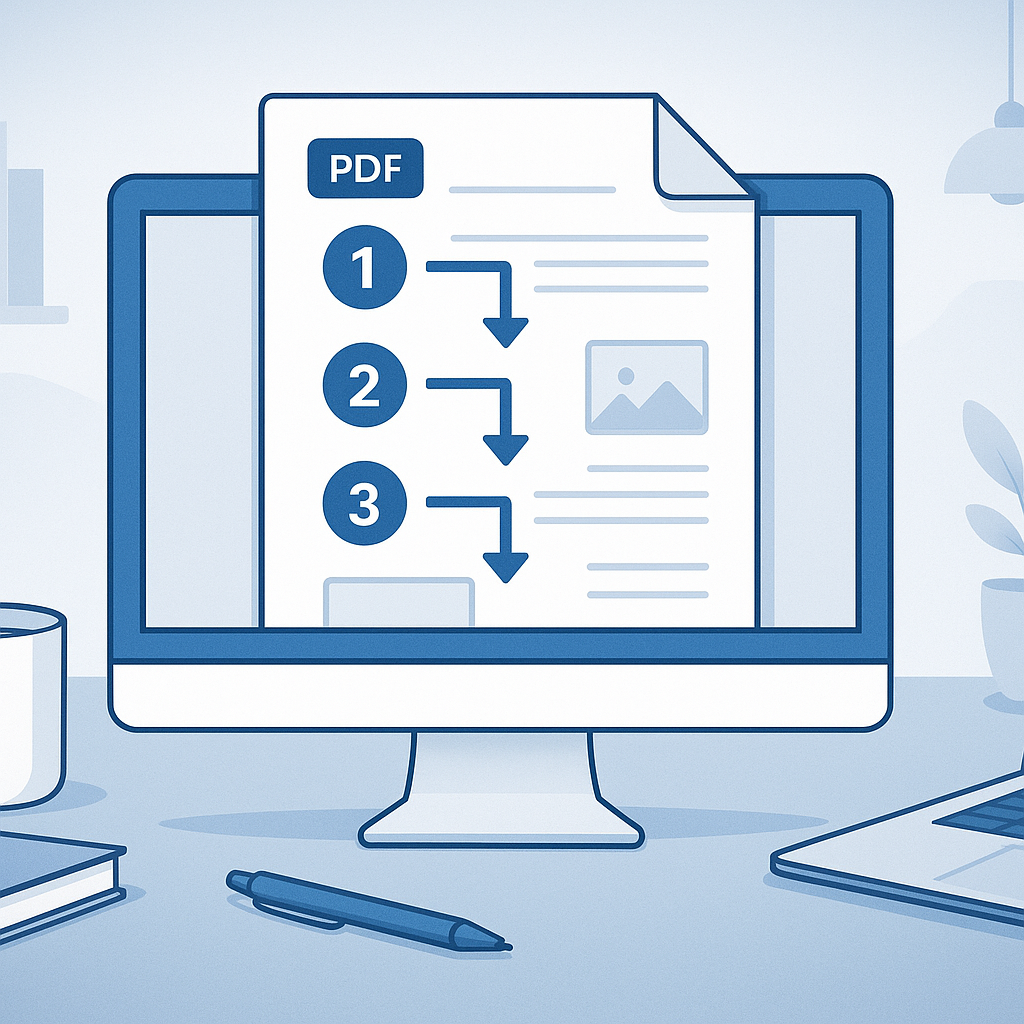
How to Create Explainer Videos from Documents Using AI
Explainer videos are one of the most effective ways to communicate complex information, with viewers retaining 95% of a message when watching a video compared to 10% when reading text. Converting documents into explainer videos allows you to reach wider audiences and improve comprehension significantly.
This guide will show you how to transform any document into an engaging explainer video using AI-powered tools.
Why Create Explainer Videos from Documents?
Enhanced Understanding
Visual explanations help audiences grasp complex concepts faster and more thoroughly than text-based content.
Increased Engagement
Video content receives 1200% more shares than text and images combined, dramatically expanding your reach.
Improved Accessibility
Videos accommodate different learning styles and can include captions for hearing-impaired audiences.
Professional Presentation
Well-produced explainer videos establish credibility and professionalism for your brand or educational content.
Best AI Tools for Document-to-Video Creation
1. BrainyDocuments (Top Choice)
Specialized in intelligent document analysis and video creation
Key Features:
- Advanced document structure recognition
- Context-aware content adaptation
- Professional narration in 70+ languages
- Customizable explanation complexity levels
- Educational and business templates
Pricing: Free trial, premium plans from $29/month
Best For: Technical documents, educational materials, training content
2. Pictory
Excellent for content summarization and highlight extraction
Key Features:
- Automatic key point extraction
- Stock footage integration
- Text-to-speech capabilities
- Bulk video creation
- Social media optimization
Pricing: Plans from $19/month
Best For: Marketing materials, blog content, long-form documents
3. Synthesia
Professional avatar-based explanations
Key Features:
- AI avatar presenters
- Custom avatar creation
- Multi-language support
- Professional templates
- Enterprise security features
Pricing: Plans from $30/month
Best For: Corporate communications, training videos, formal presentations
Step-by-Step Creation Process
Step 1: Document Analysis and Preparation
Content Assessment
- Identify the main objective of your document
- Determine target audience and their knowledge level
- Extract key messages and supporting points
- Note any complex concepts requiring visual explanation
Document Optimization
- Ensure clear headings and section structure
- Simplify overly technical language where appropriate
- Identify opportunities for visual representations
- Prepare any supplementary materials (images, charts, diagrams)
Step 2: Storyboard Planning
Narrative Structure
- Introduction (10-15%): Hook viewers and introduce the topic
- Problem/Challenge (20-25%): Establish why the information matters
- Solution/Explanation (50-60%): Present the main content
- Conclusion/Call-to-Action (10-15%): Summarize and guide next steps
Visual Planning
- Map document sections to video scenes
- Plan transitions between concepts
- Identify where graphics or animations would help
- Determine pacing and timing for each section
Step 3: AI-Powered Video Generation
Tool Configuration
- Upload your document to the chosen AI platform
- Select appropriate video style and template
- Configure narration voice and language
- Set video duration and pacing preferences
Content Processing
- AI analyzes document structure and content
- Key points are automatically extracted and organized
- Visual elements are suggested or auto-generated
- Narration script is created from document text
Customization Options
- Adjust explanation complexity ("explain like I'm 5" to expert level)
- Modify visual style and branding
- Edit narration script for clarity and flow
- Add custom graphics or animations
Step 4: Enhancement and Refinement
Content Review
- Verify accuracy of extracted information
- Ensure logical flow between sections
- Check that key messages are clearly communicated
- Confirm appropriate pacing for target audience
Visual Improvements
- Add relevant graphics and animations
- Include charts or diagrams from original document
- Apply consistent branding and color schemes
- Ensure visual elements support the narrative
Audio Optimization
- Review AI-generated narration for naturalness
- Adjust speaking pace and emphasis
- Add background music if appropriate
- Ensure clear pronunciation of technical terms
Step 5: Final Production and Export
Quality Assurance
- Review entire video for accuracy and flow
- Test on different devices and screen sizes
- Verify audio quality and synchronization
- Ensure accessibility features are included
Export and Optimization
- Choose appropriate video format and resolution
- Optimize file size for intended distribution channels
- Add captions and subtitles
- Create thumbnail and metadata for upload
Advanced Techniques for Professional Results
Visual Storytelling Methods
Progressive Disclosure
Present information in digestible chunks, building complexity gradually throughout the video.
Visual Metaphors
Use familiar concepts to explain complex ideas (e.g., comparing data flow to water through pipes).
Animated Transitions
Smooth transitions between concepts help maintain viewer engagement and understanding.
Consistent Visual Language
Maintain consistent colors, fonts, and graphics throughout to reinforce key messages.
Engagement Optimization
Hook Strategies
- Start with a compelling question or statistic
- Preview the value viewers will gain
- Use unexpected visuals or scenarios
- Create curiosity about the solution
Retention Techniques
- Vary visual pace to maintain interest
- Include interactive elements where possible
- Use pattern interrupts to refocus attention
- Preview upcoming sections to maintain engagement
Call-to-Action Integration
- Naturally weave CTAs into the narrative
- Provide clear next steps for viewers
- Use visual cues to emphasize important actions
- Ensure CTAs align with video content
Platform-Specific Optimization
YouTube Optimization
- Create compelling thumbnails with text overlays
- Write SEO-optimized titles and descriptions
- Use relevant tags and categories
- Include chapters for longer videos
Social Media Adaptation
- Create square and vertical versions for different platforms
- Add captions for sound-off viewing
- Optimize for mobile viewing experience
- Create platform-specific preview clips
Educational Platform Integration
- Include downloadable resources and transcripts
- Add quiz questions or interactive elements
- Provide related reading materials
- Enable progress tracking features
Content Types and Applications
Business and Marketing
Product Explanations
- Feature demonstrations and benefits
- Use case scenarios and customer stories
- Comparison charts and competitive analysis
- Implementation guides and tutorials
Process Documentation
- Workflow explanations and procedures
- Training materials and onboarding content
- Compliance and safety protocols
- Best practices and guidelines
Educational Content
Academic Subjects
- Complex concept breakdowns
- Historical timelines and events
- Scientific processes and experiments
- Mathematical problem-solving steps
Professional Development
- Skill-building tutorials
- Industry trend analysis
- Certification preparation materials
- Career guidance and advice
Technical Documentation
Software and Technology
- Feature explanations and tutorials
- Installation and setup guides
- Troubleshooting procedures
- API documentation and examples
Healthcare and Science
- Medical procedure explanations
- Research findings presentations
- Patient education materials
- Safety protocols and guidelines
Measuring Success and ROI
Engagement Metrics
View Performance
- Video completion rates
- Average view duration
- Replay and rewatch statistics
- Share and download numbers
Audience Interaction
- Comments and questions
- Like and subscribe rates
- Click-through to additional resources
- Time spent on related content
Learning Outcomes
Comprehension Assessment
- Pre/post video knowledge tests
- Concept application success rates
- Error reduction in related tasks
- Skill demonstration improvements
Behavioral Changes
- Action completion rates
- Process adoption success
- Compliance improvements
- Customer satisfaction scores
Business Impact
Marketing ROI
- Lead generation from video content
- Conversion rate improvements
- Customer acquisition costs
- Brand awareness metrics
Training Efficiency
- Time reduction in onboarding
- Decreased support ticket volume
- Improved employee performance
- Reduced training costs
Common Challenges and Solutions
Challenge 1: Complex Technical Content
Problem: Highly technical documents difficult to visualize
Solutions:
- Break complex concepts into simpler components
- Use analogies and real-world examples
- Create progressive explanation levels
- Include glossary definitions for technical terms
Challenge 2: Maintaining Viewer Attention
Problem: Long documents result in lengthy, potentially boring videos
Solutions:
- Focus on most important concepts only
- Create video series instead of single long video
- Use engaging visuals and animations
- Include interactive elements and questions
Challenge 3: Brand Consistency
Problem: AI-generated videos don't match brand guidelines
Solutions:
- Use tools with custom branding capabilities
- Create template libraries for consistent styling
- Review and adjust AI output for brand alignment
- Develop style guides specific to video content
Challenge 4: Accessibility Requirements
Problem: Videos need to meet accessibility standards
Solutions:
- Always include accurate captions and subtitles
- Ensure sufficient color contrast in visuals
- Provide audio descriptions for visual elements
- Test with accessibility tools and users
Future Developments
AI Advancement Trends
Improved Understanding
- Better document structure recognition
- Enhanced context awareness
- More natural language processing
- Improved visual element generation
Interactive Features
- Real-time content adaptation
- Personalized explanation levels
- Interactive decision trees
- Adaptive learning paths
Technology Integration
Immersive Experiences
- Virtual reality explanations
- Augmented reality overlays
- 3D visualization capabilities
- Interactive simulations
Multi-Modal Content
- Voice-activated navigation
- Gesture-based interaction
- Eye-tracking optimization
- Emotion-responsive content
Best Practices Summary
Content Strategy
- Always start with clear learning objectives
- Know your audience and their knowledge level
- Focus on most important information first
- Plan for different viewing contexts and devices
Production Quality
- Maintain consistent visual and audio quality
- Use professional narration and clear speaking
- Apply brand guidelines consistently
- Test videos before final distribution
Optimization and Testing
- A/B test different approaches with your audience
- Monitor performance metrics and iterate
- Gather feedback and implement improvements
- Stay updated with platform best practices
Conclusion
Converting documents into explainer videos using AI tools like BrainyDocuments offers tremendous opportunities to improve communication effectiveness and reach broader audiences. The key to success lies in thoughtful planning, appropriate tool selection, and careful attention to your audience's needs and preferences.
Start with high-impact documents that would benefit most from video treatment, and gradually build your video content library. With practice and optimization, you'll be able to create compelling explainer videos that significantly improve information comprehension and engagement.
Remember that AI tools are powerful assistants, but human creativity and strategic thinking remain essential for creating truly effective educational and marketing content.
Frequently Asked Questions
How long should explainer videos be?
Most effective explainer videos are 2-3 minutes long. For complex topics, consider creating a series of shorter videos rather than one long video.
Can I create explainer videos from any type of document?
Yes, but some document types work better than others. Well-structured documents with clear headings and logical flow produce the best results.
Do I need video editing experience to create explainer videos?
No, AI tools like BrainyDocuments are designed for users without video editing experience. The platforms handle technical aspects automatically.
How much does it cost to create explainer videos from documents?
Costs vary from free tools with limited features to professional platforms costing $30-100+ per month. Calculate ROI based on your specific use case and audience size.
Can I customize the AI-generated videos to match my brand?
Yes, most professional AI video tools allow extensive customization including colors, fonts, logos, and style elements to match your brand guidelines.