
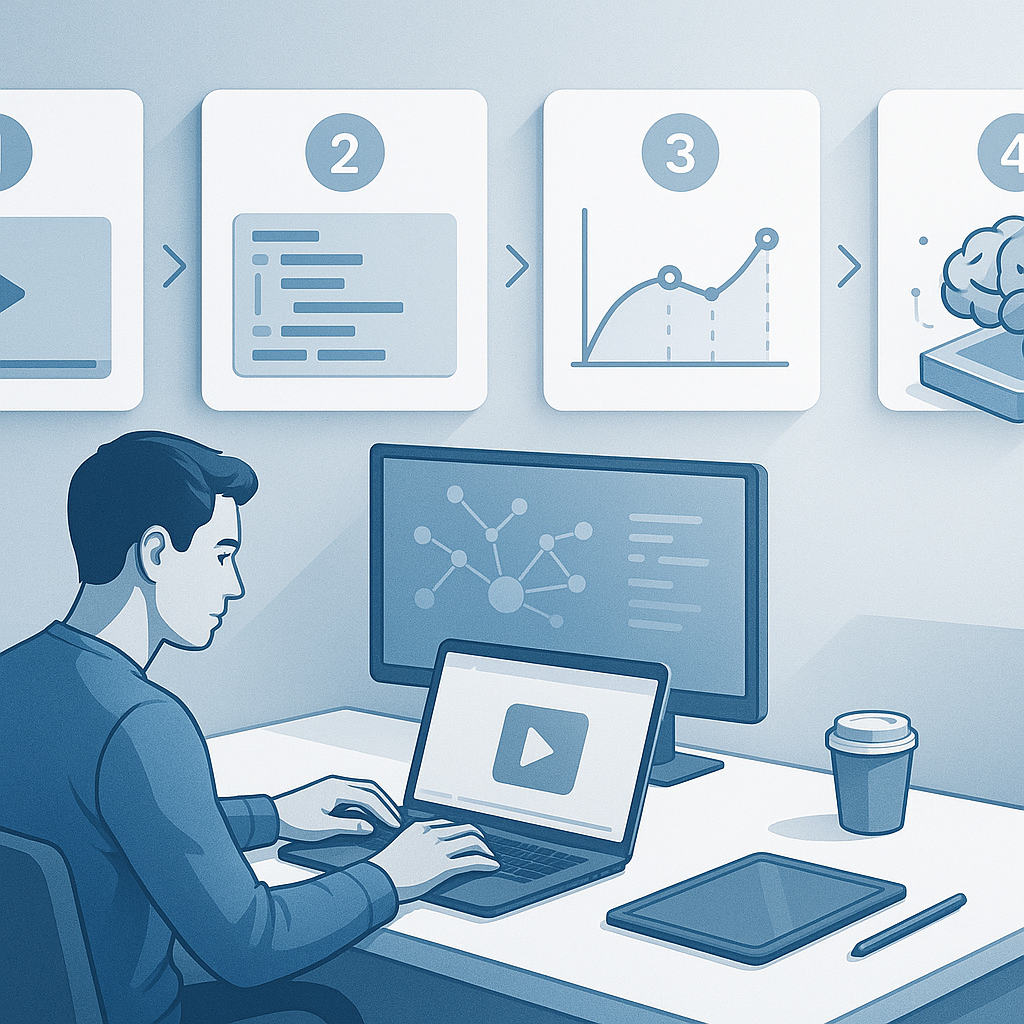
How-To Guides
How to Create Explainer Videos from Documents Using AI
Transform complex documents into engaging explainer videos with AI. Step-by-step guide for creating professional educational and marketing videos.
10 min read•9/24/2025
From my experience helping teams turn newsletters into social video, the payoff is real: content can reach more people, faster, and with less rework than c

From my experience helping teams turn newsletters into social video, the payoff is real: content can reach more people, faster, and with less rework than creating new content from scratch. Let’s dive into a practical, repeatable approach you can apply to any newsletter.
Newsletters are built to educate, inspire, and convert readers through well-structured narratives, practical tips, and curated insights. But too often, those same emails sit in inboxes, gathering dust. What if you could take the proven value inside a newsletter and transform it into high-performing social media video content?
This guide walks you through a practical, step-by-step process to convert email newsletters into social video content that fits the formats and rhythms of modern platforms. You’ll learn how to identify the right moments, craft compelling scripts, produce engaging visuals, and distribute your videos in a way that boosts reach and engagement — all while reinforcing your core brand voice. If you’re aiming to boost newsletter repurposing, lean into social media AI, optimize content distribution, and win at video marketing, you’re in the right place.
Before you hit the keyboard, build a simple blueprint for how you’ll transform a newsletter into video. This framework ensures you capture the right elements and preserve the message.
Identify core messages: What is the single takeaway per newsletter? What problem does it solve? What action do you want viewers to take?
Map sections to video segments: Introduction hook, main tips or stories, data points, and a strong conclusion with a CTA.
Choose your formats: Short-form (15–60 seconds) for reels/t shorts; mid-length (60–120 seconds) for Facebook/Instagram feed or LinkedIn; long-form (2–4 minutes) for YouTube.
Plan visuals and audio: Will you use motion graphics, stock footage, screenshots from the newsletter, or a talking-head format? Will you use voiceover or captions?
Accessibility and inclusivity: Plan for captions, clear typography, high-contrast visuals, and inclusive language.
Pro tip: Create a one-page “video brief” for each newsletter issue. Include the key messages, the preferred format, suggested hooks, and a rough storyboard. It’ll dramatically speed up production later.
Quick note: If a newsletter leans heavily on data, plan for easy-to-read data visuals. A voiceover alone won’t convey all the nuance you’re communicating.
From my experience, the biggest win comes from converting a newsletter into a narrative arc that someone can watch in a few seconds, then dive deeper if they’re interested. The more you think in terms of storytelling versus slide-by-slide replication, the better your videos will perform.
Now that you’ve outlined the framework, it’s time to execute. Here’s a concrete, repeatable process you can follow for each issue.
Step 1: Extract the narrative and data
Step 2: Write a tight script
Hook (0-3 seconds): Pose a conflict or curiosity question. Example: “Ever wonder why your open rate isn’t growing after weeks of tweaks?”
Body (3–45 seconds): Deliver 2–4 tips or story beats. Keep sentences short and active.
CTA (last 5–10 seconds): Tell viewers exactly what to do next, like “Tap to read the full newsletter” or “Try this checklist today.”
Style and tone: Match your brand voice. Use concise language. Favor simple verbs and concrete nouns.
Pro tip: Use AI-assisted scripting to draft a first version from your newsletter draft. Then, polish for voice and rhythm. AI can handle repetitive phrasing, but you’ll want a human touch to land the tone.
Quick note: If you’re new to scripting, write a 60-second script first, then trim or expand as needed based on platform constraints.
Step 3: Create visuals and captions
Step 4: Produce the video
Editing approach: For quick wins, assemble a rough cut with your script, then layer B-roll, transitions, and text overlays. Refine pacing so the video flows naturally.
Voiceover vs. on-screen text: Voiceover adds warmth and credibility; captions make content accessible in silent mode. A hybrid approach often works best.
Audio quality: Use a clear mic or a clean voiceover track. Remove background noise and balance levels.
Pro tip: If you don’t have a formal studio, a simple setup works: a quiet space, a decent USB microphone, and a laptop with a lightweight editor. Your priority is clarity and pacing, not cinema-quality production at this stage.
Quick note: B-roll isn’t optional. Even quick cutaways to charts or product shots can dramatically boost retention.
Step 5: Optimize for each platform
TikTok/Instagram Reels: 9:16 format, fast pacing, punchy hooks, on-screen text heavy. Aim 15–45 seconds with one clear message.
YouTube Shorts: 9:16, with a strong hook in the first 3 seconds; consider a slightly longer story if your newsletter topic warrants it.
LinkedIn/Facebook/Instagram feed: 1:1 or 4:5 formats; longer attention spans can handle 60–90 seconds. Tie into professional relevance.
Cross-publish efficiently: Trim the same script into platform-appropriate lengths and adjust captions for each audience.
Pro tip: Create 2–3 template formats (short, medium, long) and reuse the same assets across platforms. It’s faster and helps with brand consistency.
Quick note: Hashtags matter on some platforms. Do a quick keyword/hashtag refresh that aligns with your newsletter topics and audience interests.
Step 6: Captioning, accessibility, and branding polish
Captions: Provide a full transcript or a concise caption set. Ensure readability with adequate contrast and line breaks.
Branding cues: Use your brand colors, fonts, and logo subtly (e.g., corner watermark or lower third).
End-screen CTAs: Direct viewers to subscribe, read the full newsletter, or visit a landing page with more resources.
From my experience, the speed at which you can publish after scripting is a critical driver of momentum. The quicker you can go from concept to published video, the more you’ll learn and improve.
Producing video is only half the job. The other half is distribution and measurement. You need a plan to get eyes on your videos and track whether the effort feeds into your broader goals (newsletter growth, site traffic, conversions).
Distribution plan
Schedule consistency: Decide on a cadence (e.g., weekly newsletter issue → weekly video). Consistency builds audience expectations.
Platform-specific posting: Publish to each platform with tailored copy. For instance, a LinkedIn post might highlight a business insight, while TikTok might lean into a snappier hook.
Cross-promotion: Link back to the newsletter in video descriptions and on-screen CTAs. Use pins or highlights to direct viewers to the full issue.
Embedding and email integration: Include video thumbnails in newsletters or emails to drive cross-channel engagement.
Quick note: Use a content calendar to align video topics with upcoming newsletters. This reduces last-minute scrambles and ensures each issue gets video treatment.
Measurement and optimization
Primary metrics: Watch time (average minutes watched), retention rate, and completion rate. These indicate how compelling your video is.
Secondary metrics: Engagement rate (likes, comments, shares), click-through rate (to the newsletter or landing page), and new subscribers attributed to video.
Attribution: Use UTM parameters and track clicks from video descriptions back to your landing pages or newsletter signups. Ensure you can tie video performance to newsletter growth.
A/B testing: Test hooks, CTAs, and formats. For example, test a data-heavy hook against a story-based hook to see which drives higher retention.
Pro tip: Use AI analytics or social media AI tools to surface which segments of your newsletters perform best in video form. If a particular topic consistently yields higher retention, consider turning it into a mini-series.
Quick note: Don’t chase vanity metrics alone. A video with high watch time but low click-through may indicate the CTA isn’t compelling enough or the landing page needs improvement.
From my experience, the feedback loop is essential. The more you analyze which newsletters translate into longer retention and more conversions, the smarter your repurposing becomes. A well-tuned cycle can turn each issue into a growing content engine rather than a one-off experiment.
Repurposing email newsletters into social media video content isn’t about reinventing the wheel; it’s about translating existing value into a different, scalable format that fits how people consume content today. By following a clear framework—from identifying the core messages and scripting tight narratives to producing platform-optimized videos and tracking performance—you can extend the life of every newsletter issue and boost your overall content distribution.
Key takeaways:
If you’re serious about newsletter repurposing, treat video as an extension of your content strategy rather than a one-off tactic. With a steady rhythm, thoughtful storytelling, and a bias toward experimentation, you’ll find that social media video can reliably amplify your newsletters, improve engagement, and grow your audience. And as you collect data over time, you’ll refine your process into a repeatable system that scales with your business.
From my experience, you don’t need a big production team to start seeing results. A clear plan, the right templates, and a bit of AI-powered help can unlock substantial reach and engagement—without sacrificing quality or authenticity.
If you’d like, I can tailor this guide to your specific newsletter topics, platforms, and audience, and help you build a ready-to-publish 4-week video sprint based on upcoming issues.
Get the latest insights on AI-powered document conversion, productivity tips, and industry updates.
No spam. Unsubscribe at any time.
Transform complex documents into engaging explainer videos with AI. Step-by-step guide for creating professional educational and marketing videos.

From my experience, the hardest part isn’t the technology—it’s translating a paper’s argument into a story with a beginning, middle, and end.
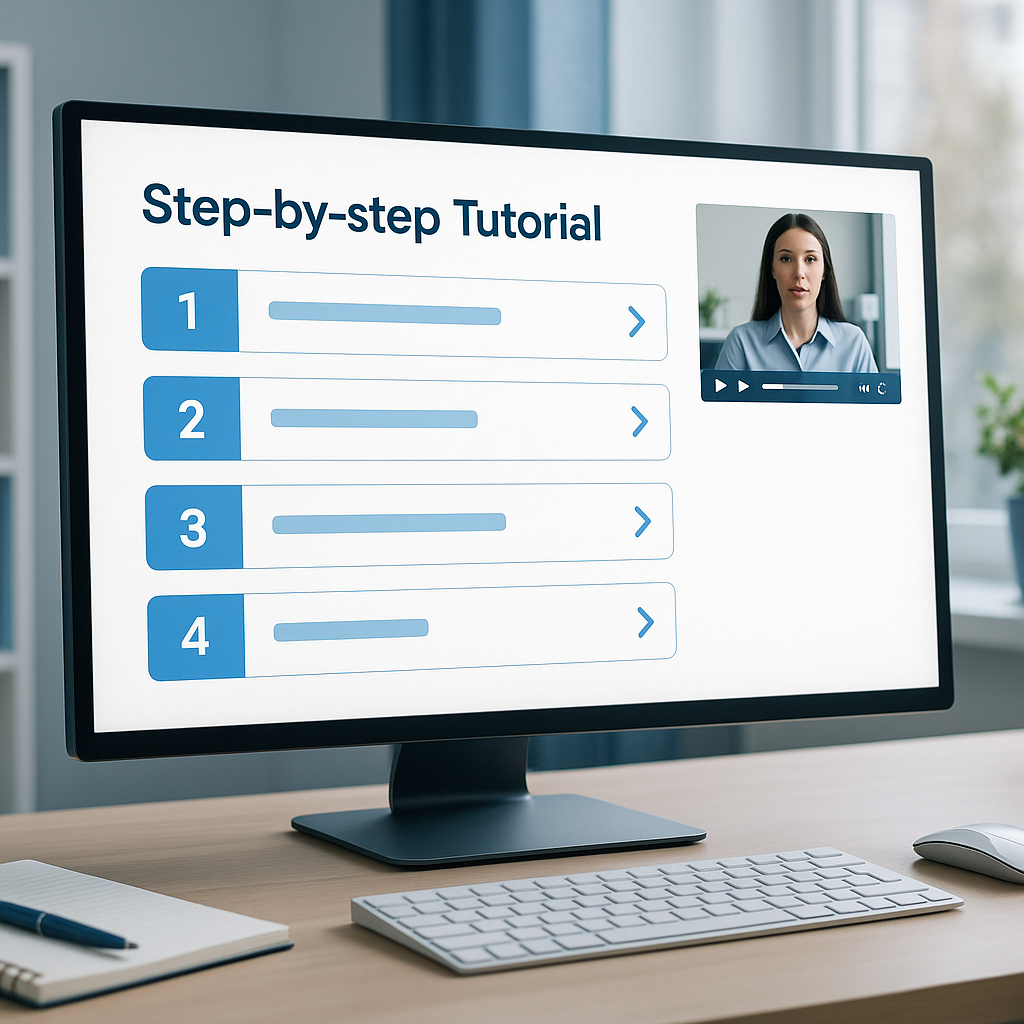
Video tutorials offer a different learning path: they combine visuals, narration, and on-screen cues to guide users through each step.